
Lambretta Misc Engine Parts*
Filters
Filters
31 products
Sort by
Sort by
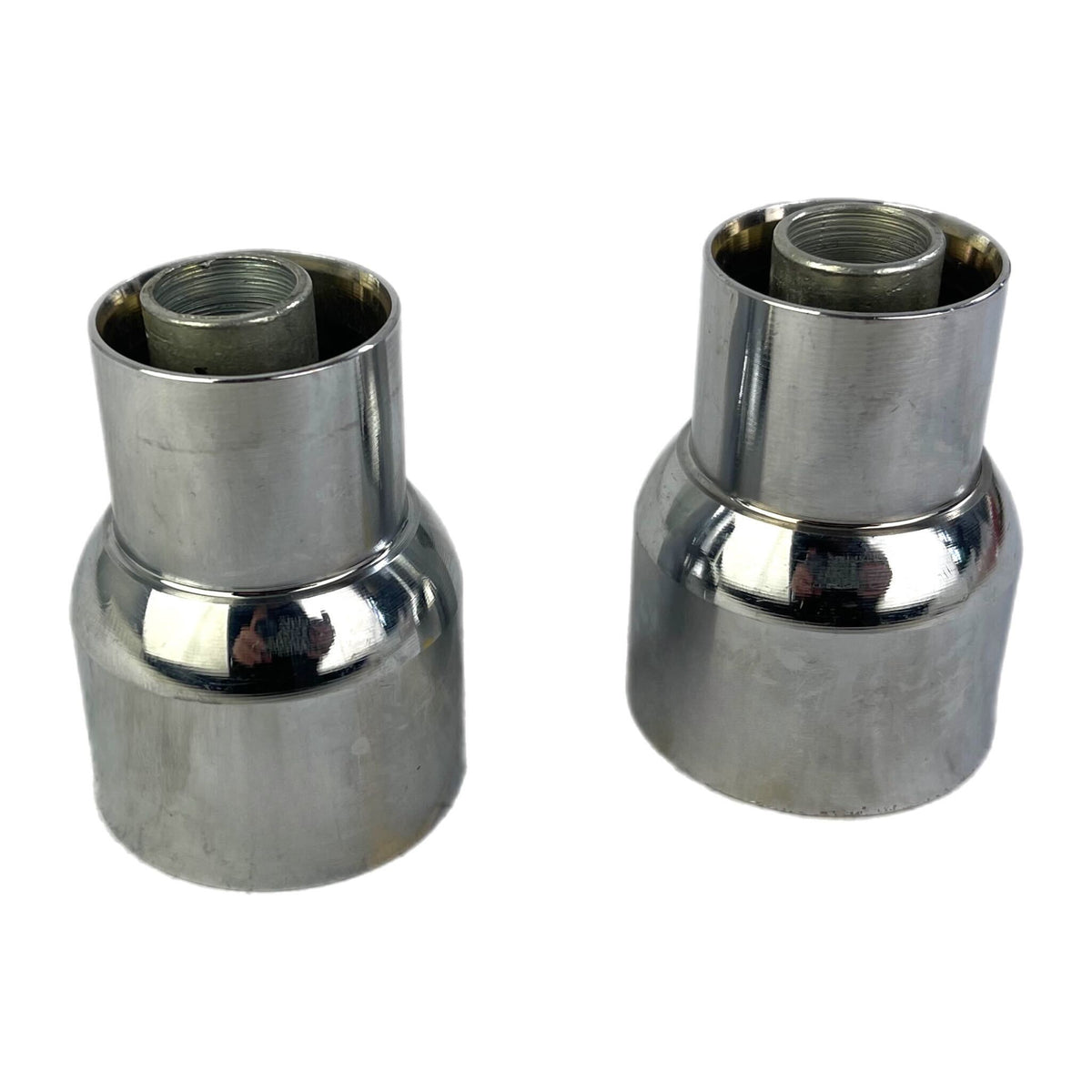
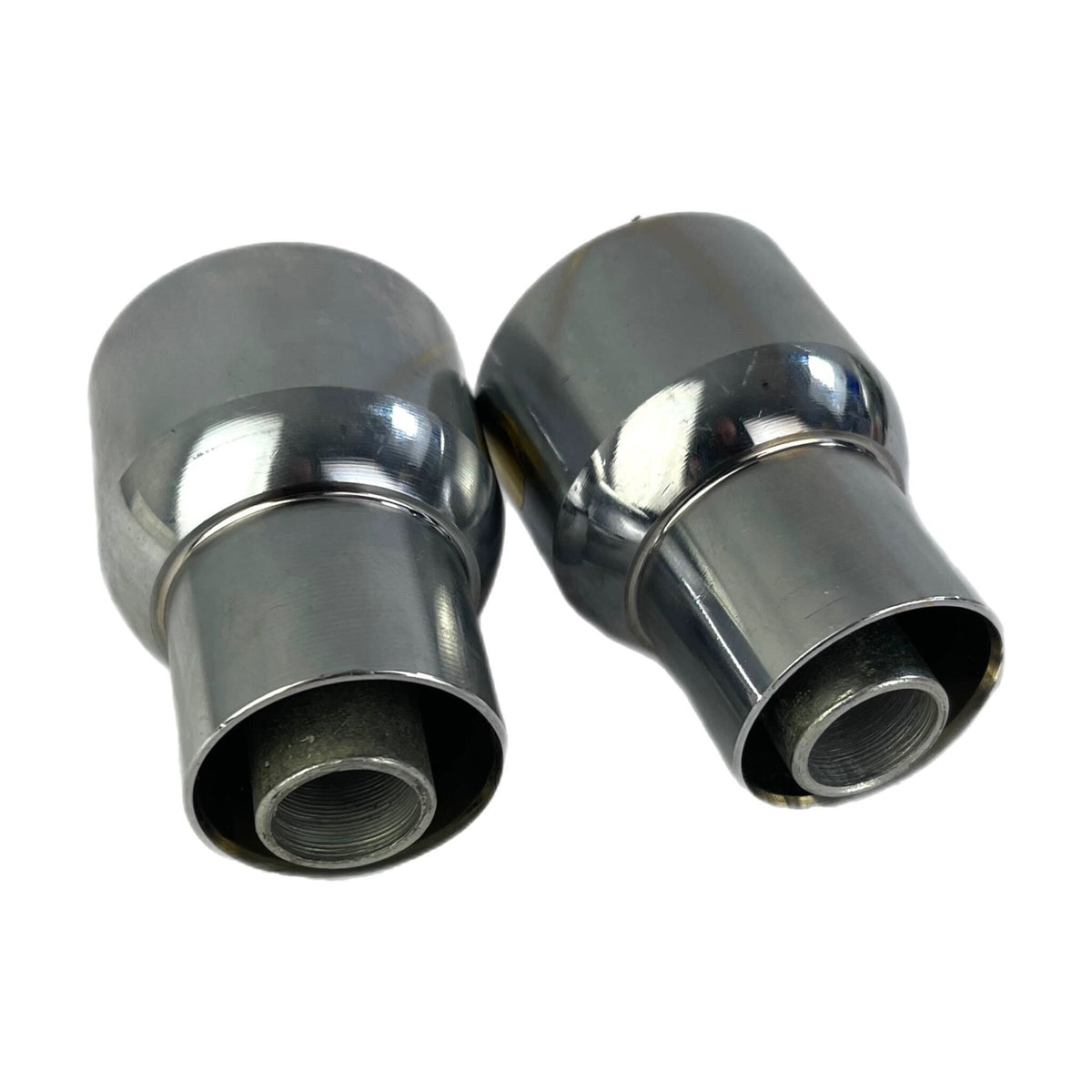
Lambretta Series 3 GP DL SX LI Engine Mounts - Polished Alloy - Pair
Product code:
BD00684
In stock
Sale price£38.99
Sold out
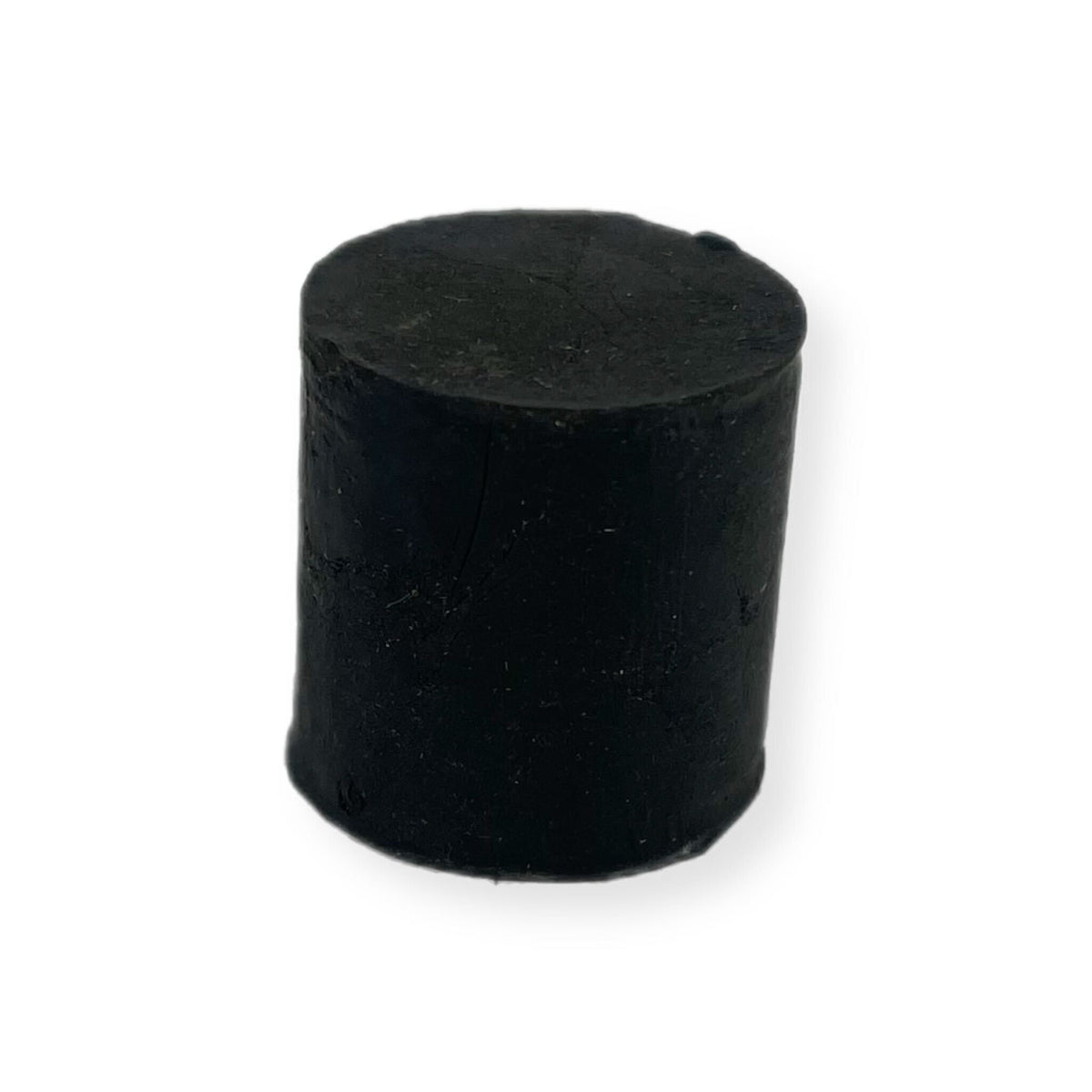
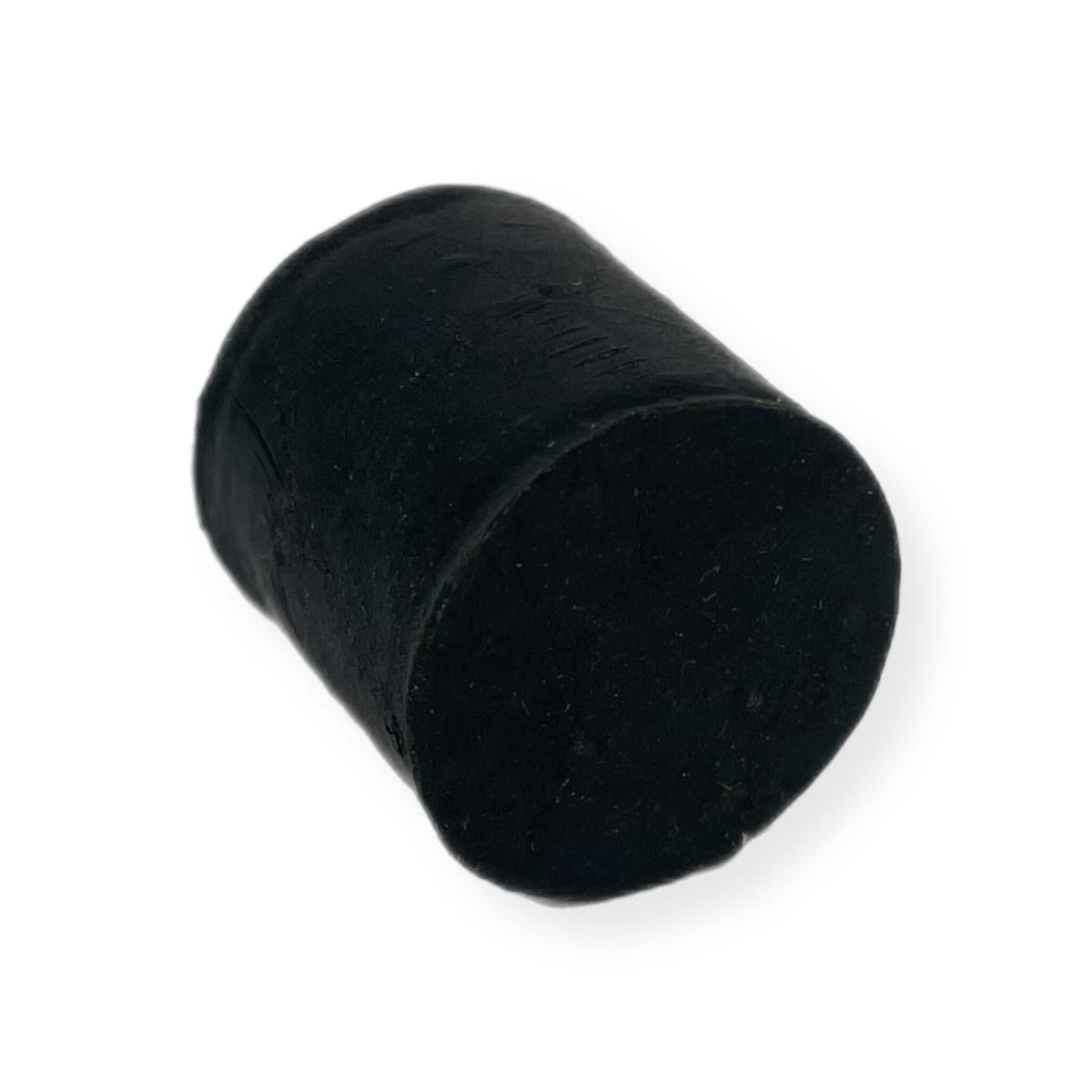
Lambretta S1-3 Li GP SX TV Kickstart Rebound Return Buffer Chaincase Cover
Product code:
BD11040
In stock
Sale price£1.25
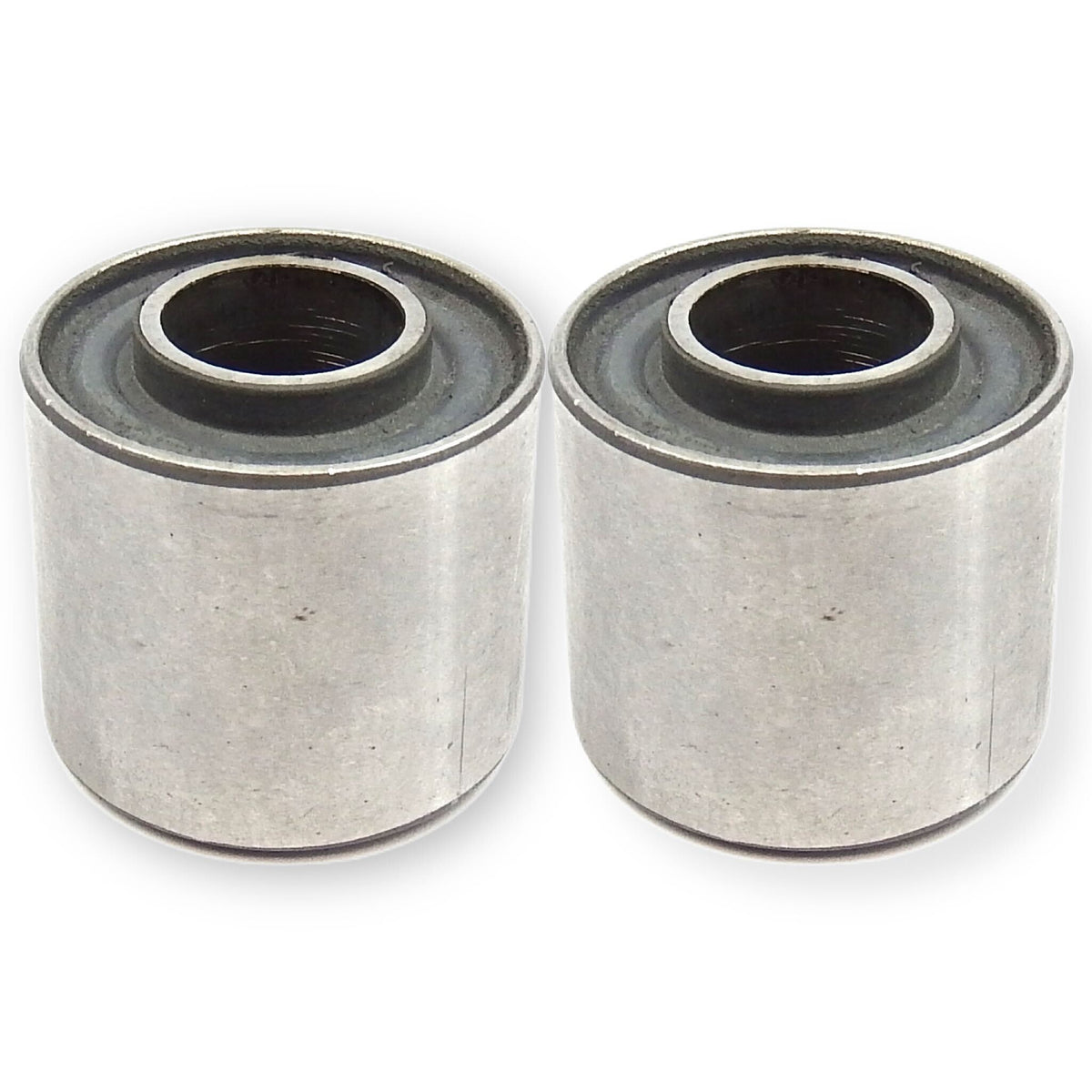
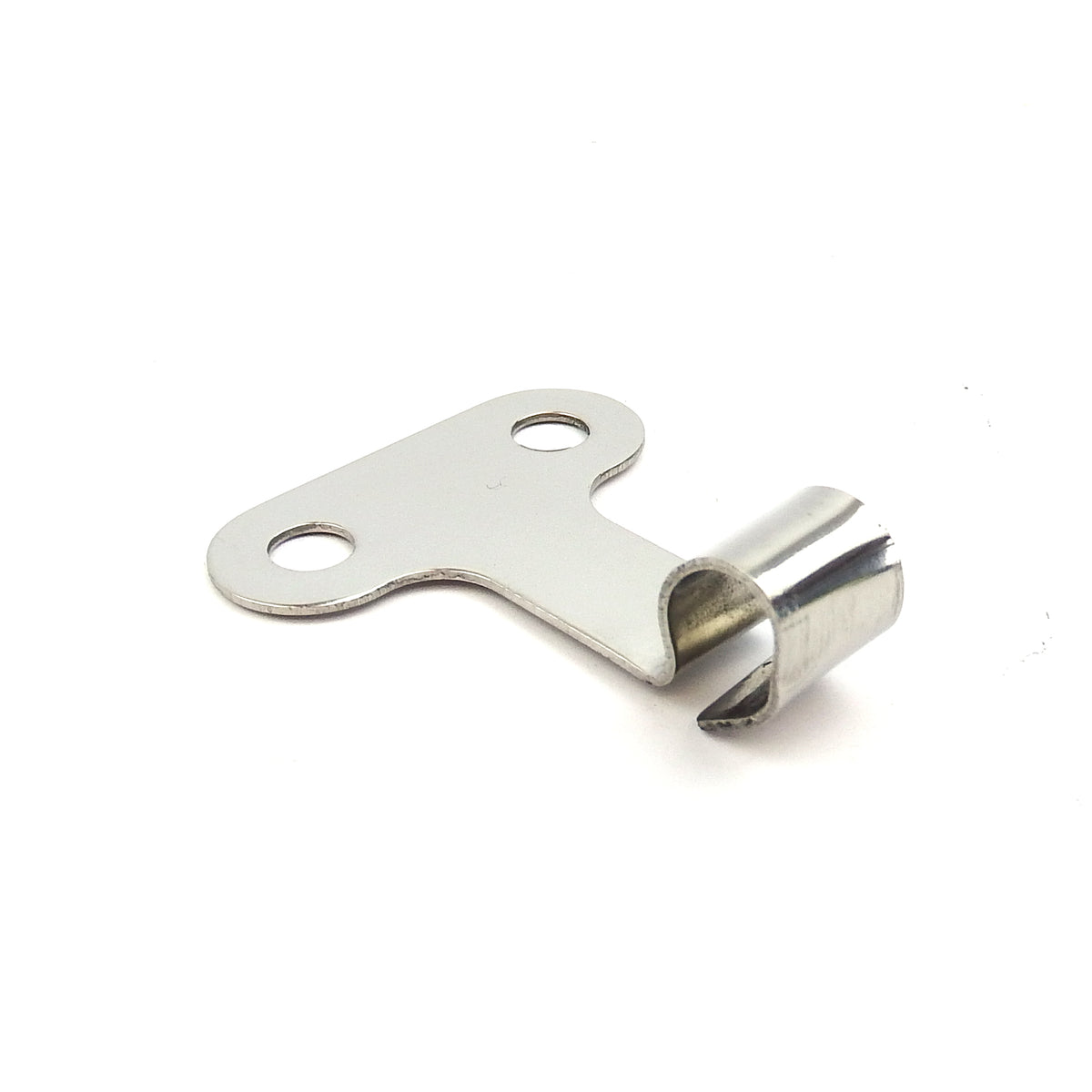
Lambretta S1-3 Li GP SX TV Rear Brake Cable Retainer Guide - Stainless Steel
Product code:
BD01727
Limited Stock
Sale price£5.99
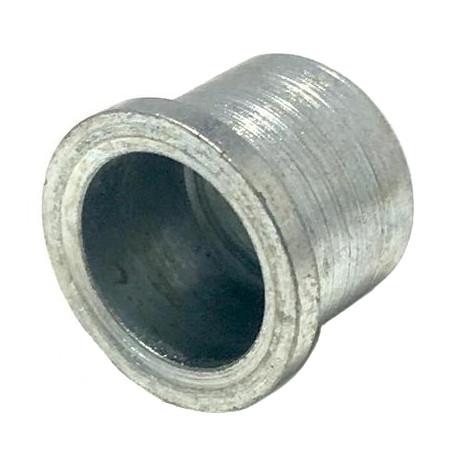
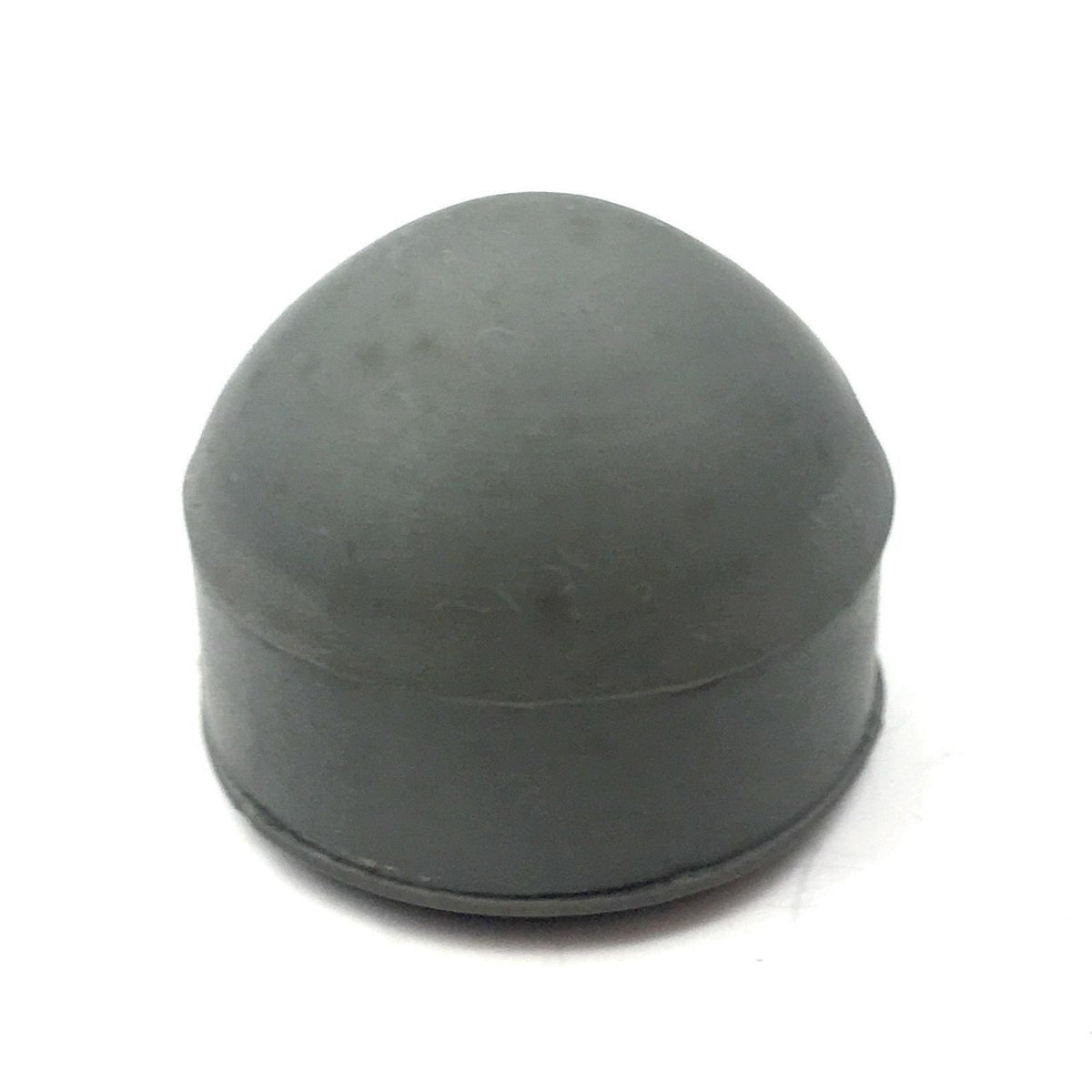
Lambretta Series 1-3 Li GP SX TV Rear Brake Cable Top Hat
Product code:
BD14293
In stock
Sale price£1.00
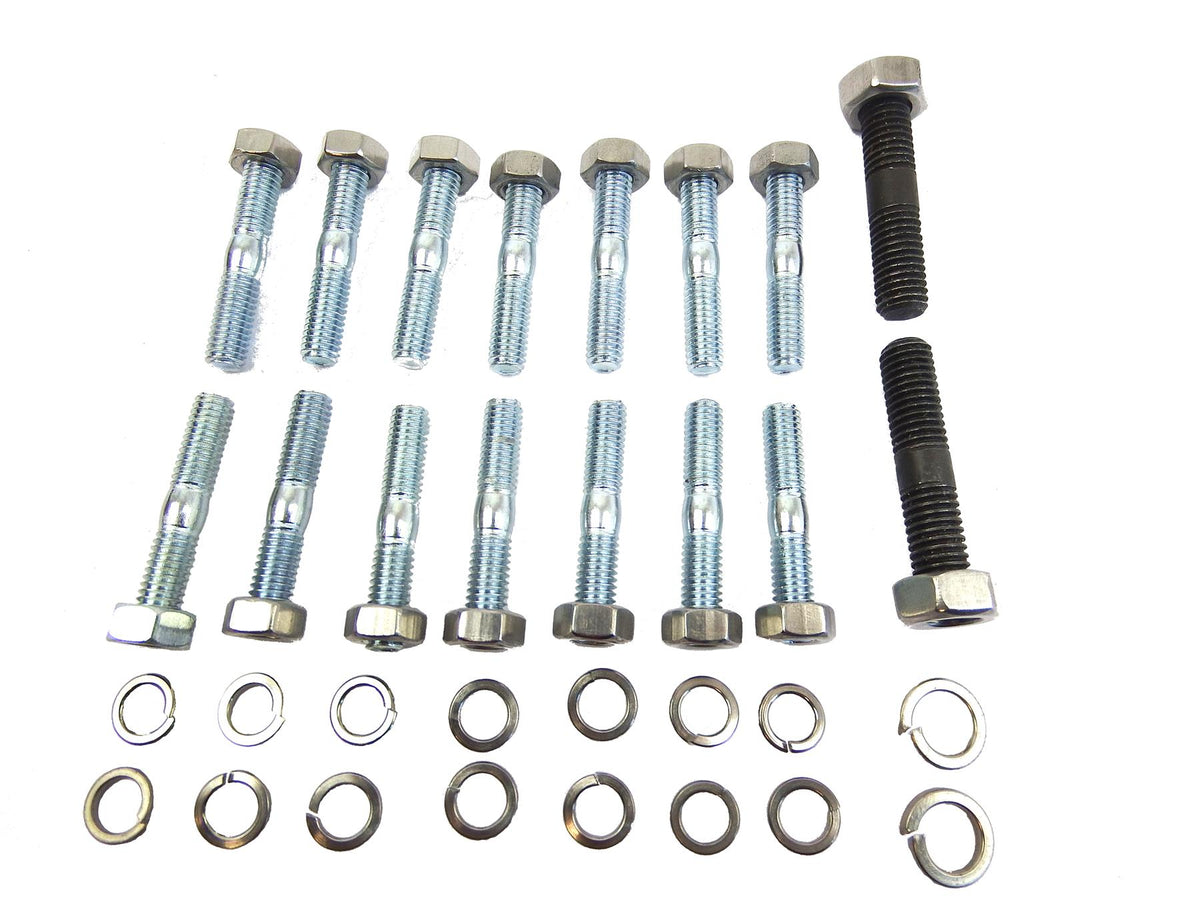
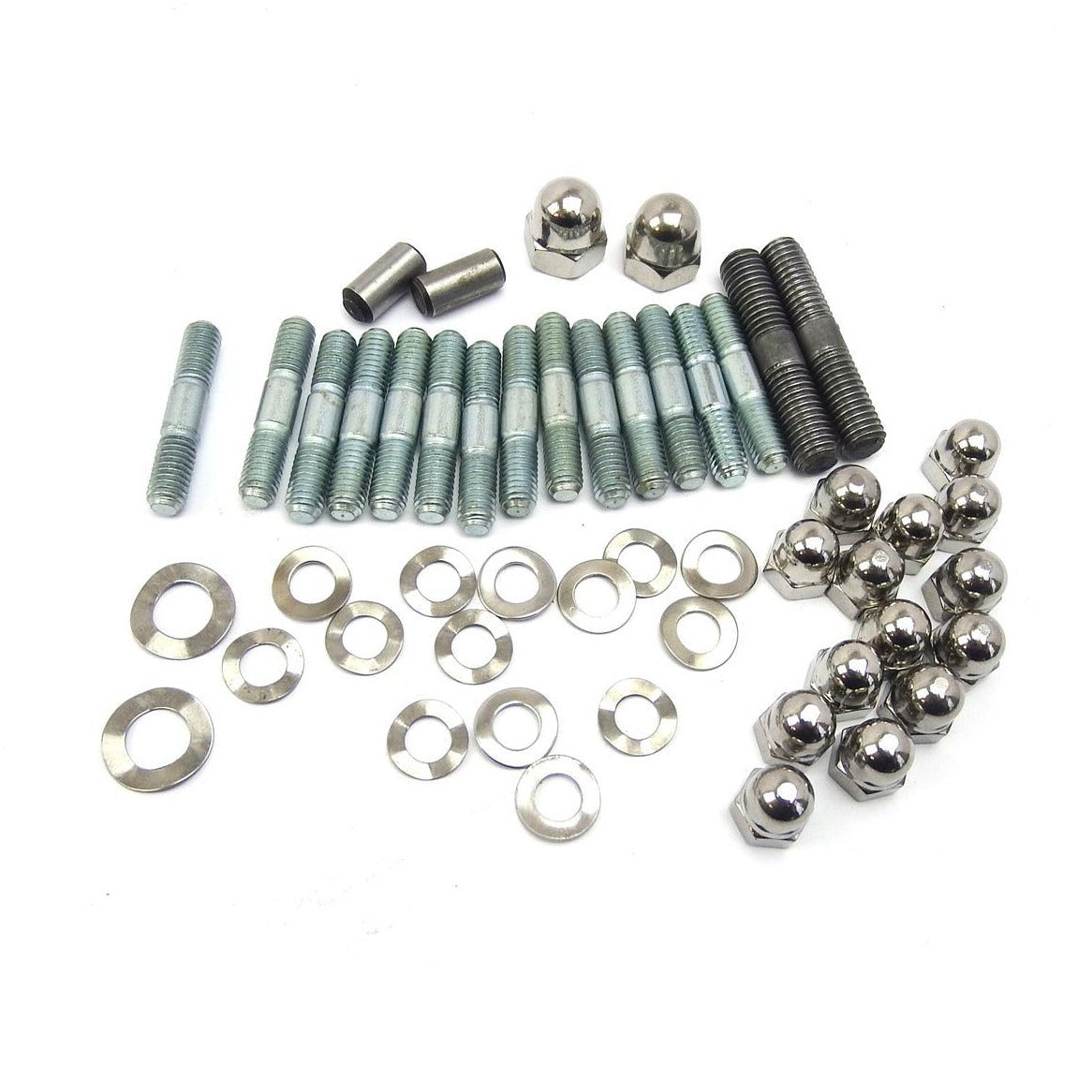
Lambretta Series 1 2 3 Li GP SX TV Chain Case Stud Nut and Washer Kit
Product code:
BD11796
In stock
Sale price£9.99
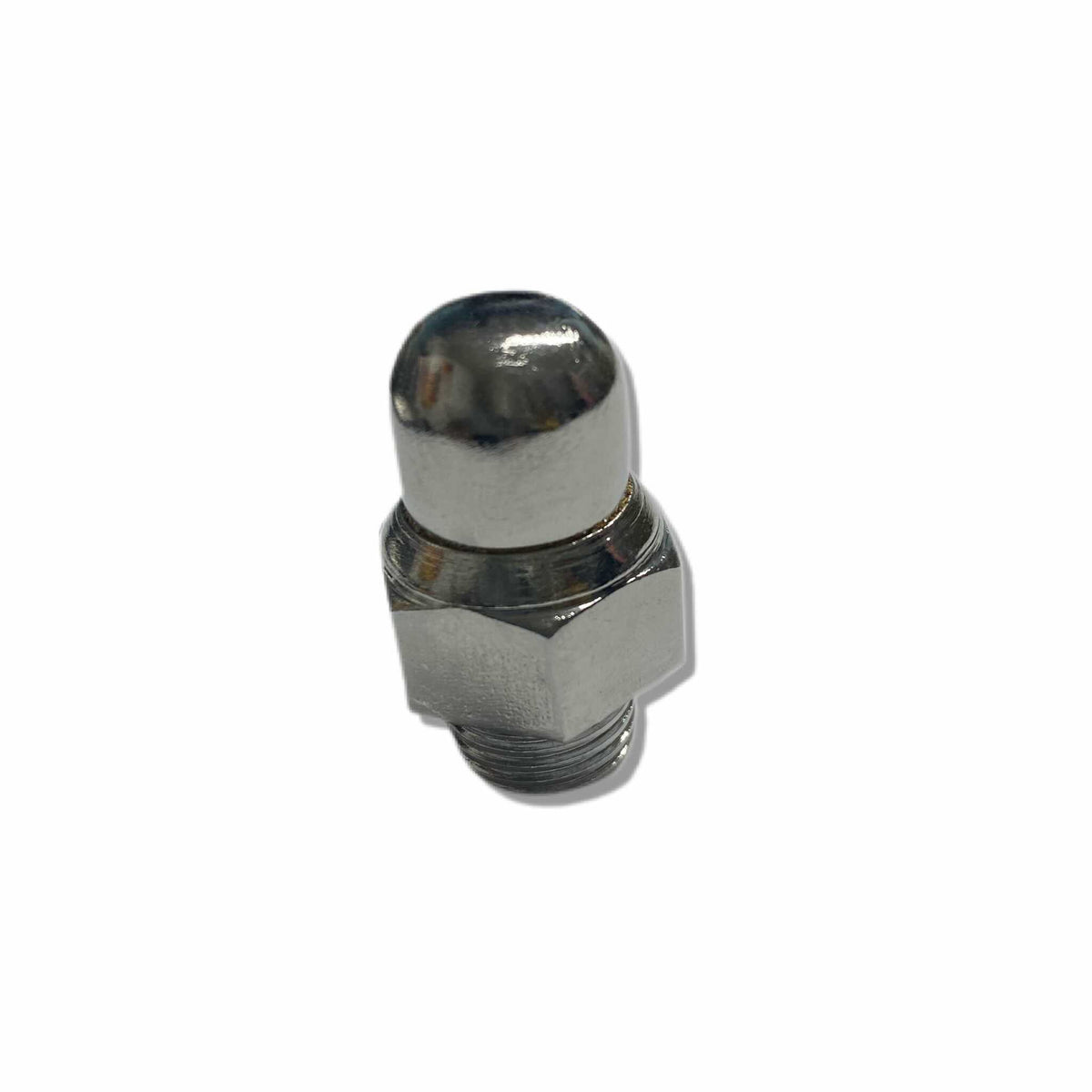
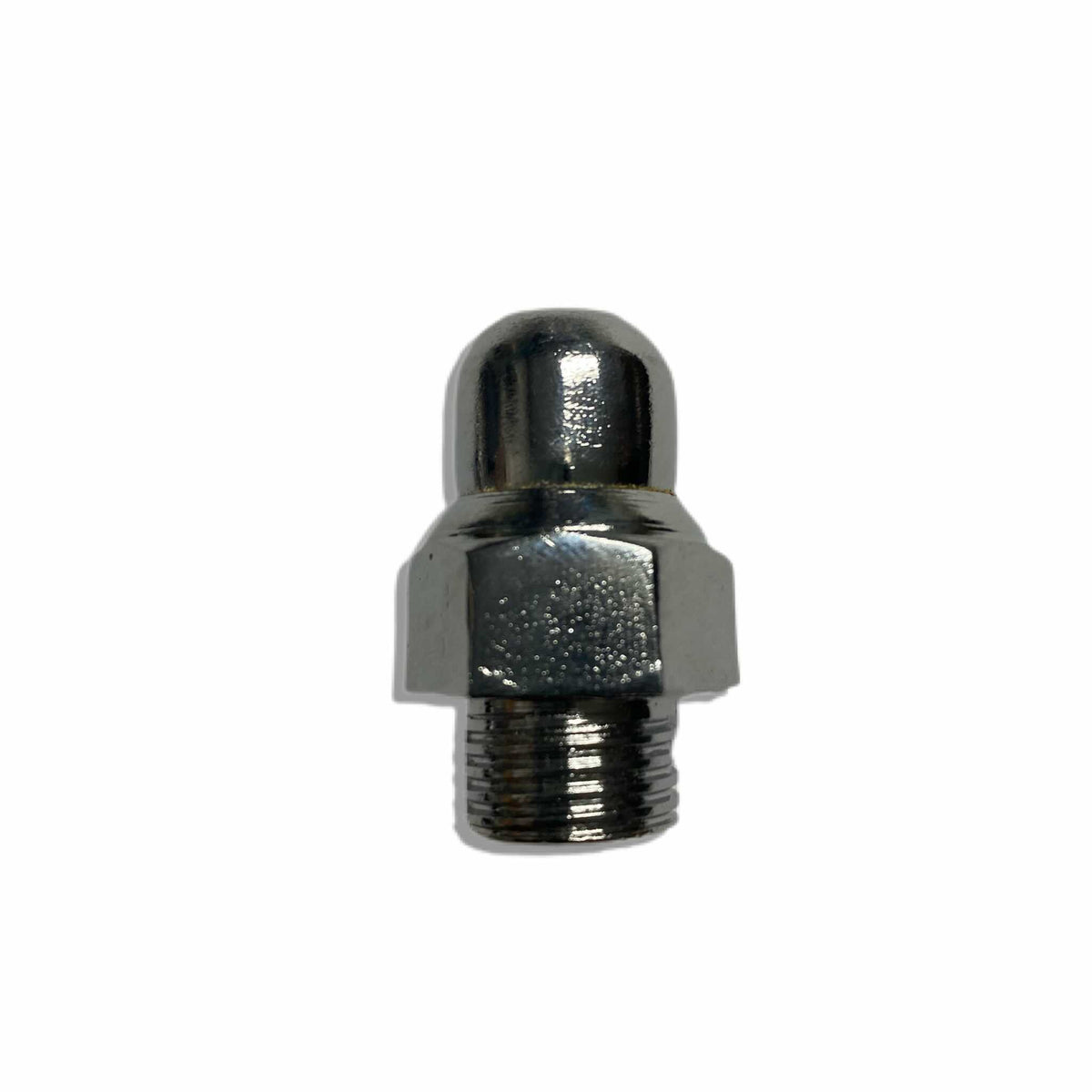
Lambretta Series 1 2 3 Li GP SX TV Crankcase Breather - Chrome
Product code:
BD03796
In stock
Sale price£4.25
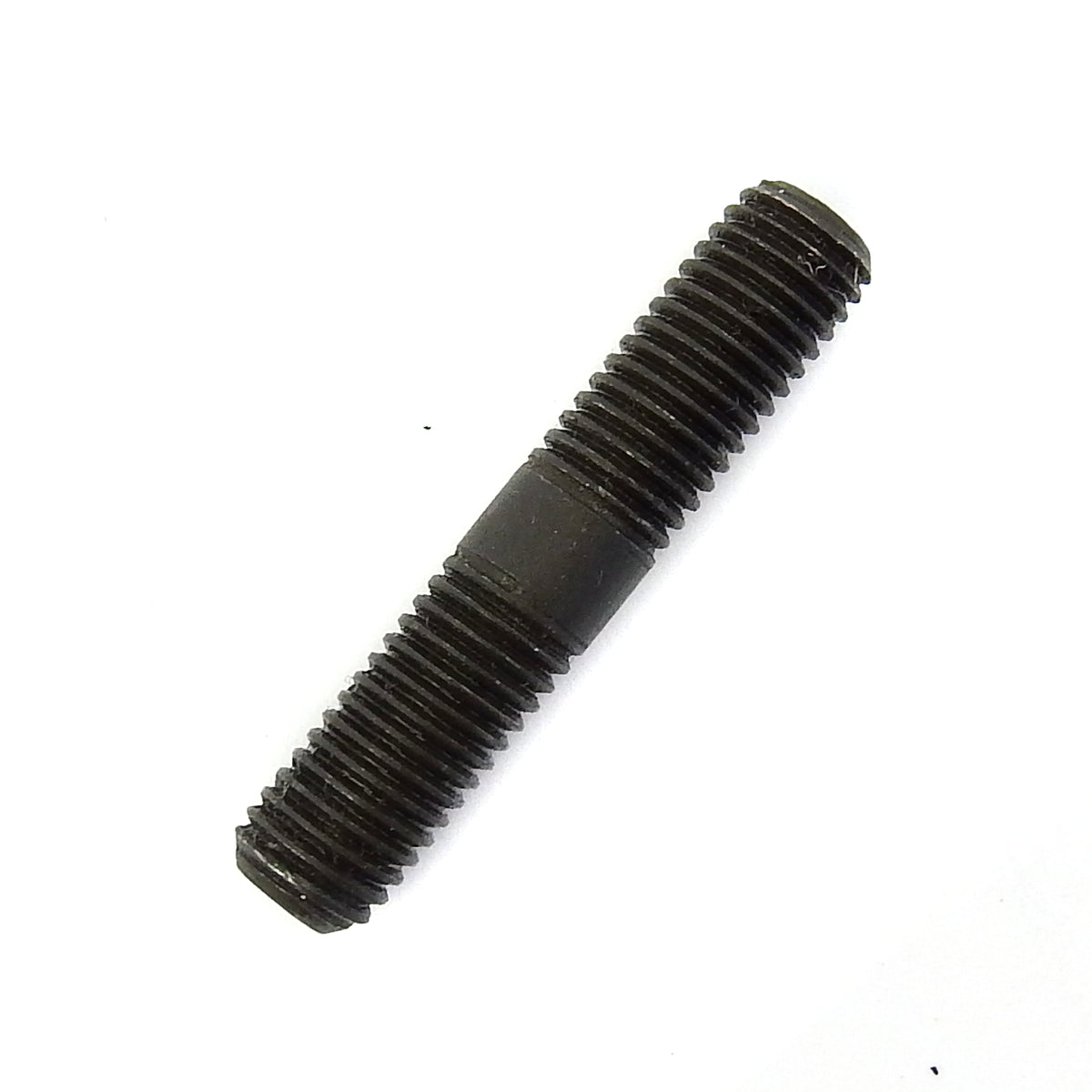
Lambretta Series 1 2 3 Li GP SX TV Chain Case Side Stud - M6
Product code:
BD01143
In stock
Sale price£0.75
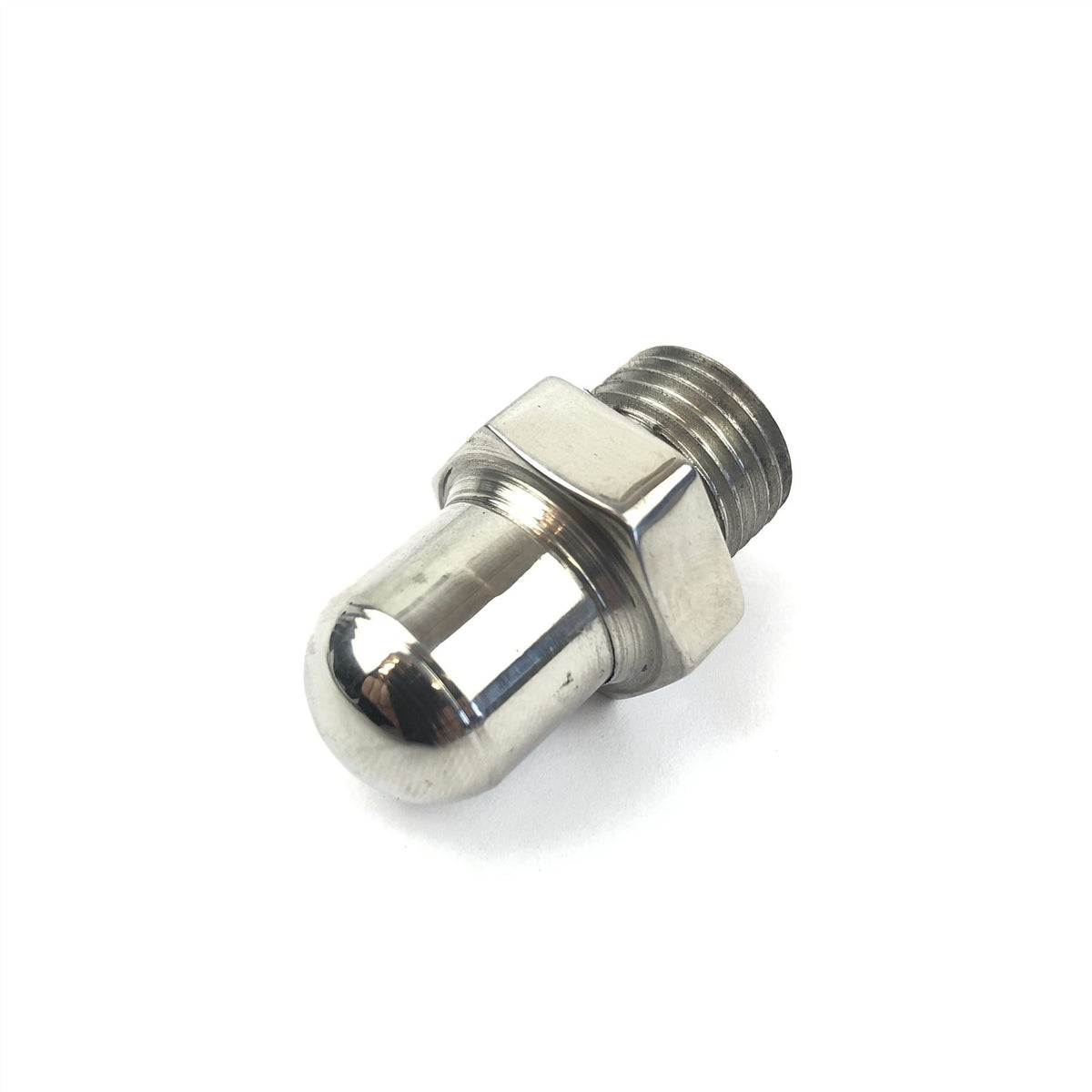
Lambretta Series 1 2 3 Li GP SX TV Crankcase Breather - Polished Stainless Steel
Product code:
BD06340
In stock
Sale price£14.99

Lambretta Series 1 2 3 Li GP SX TV Rear Brake Cable Guide
Product code:
BD08397
In stock
Sale price£2.99
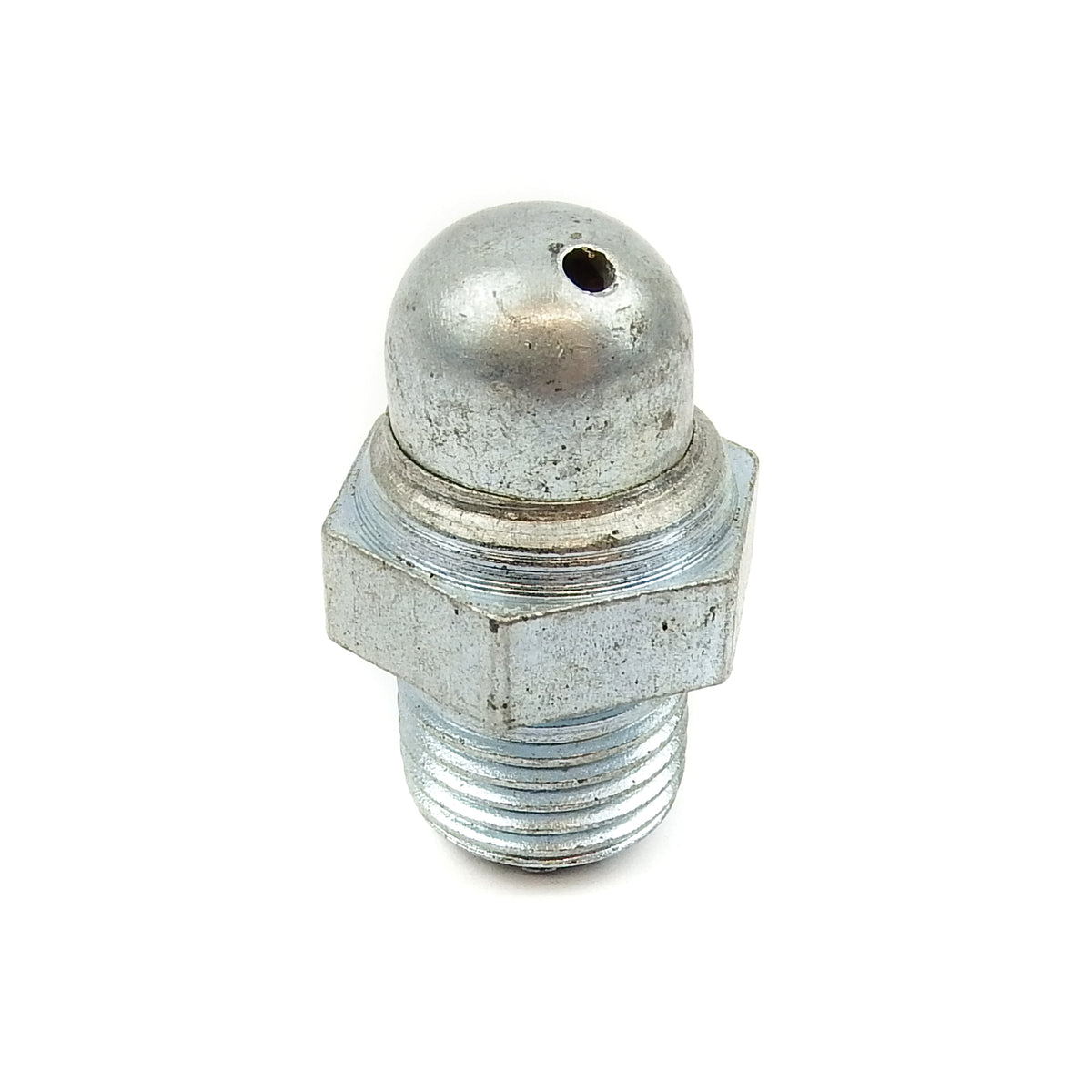
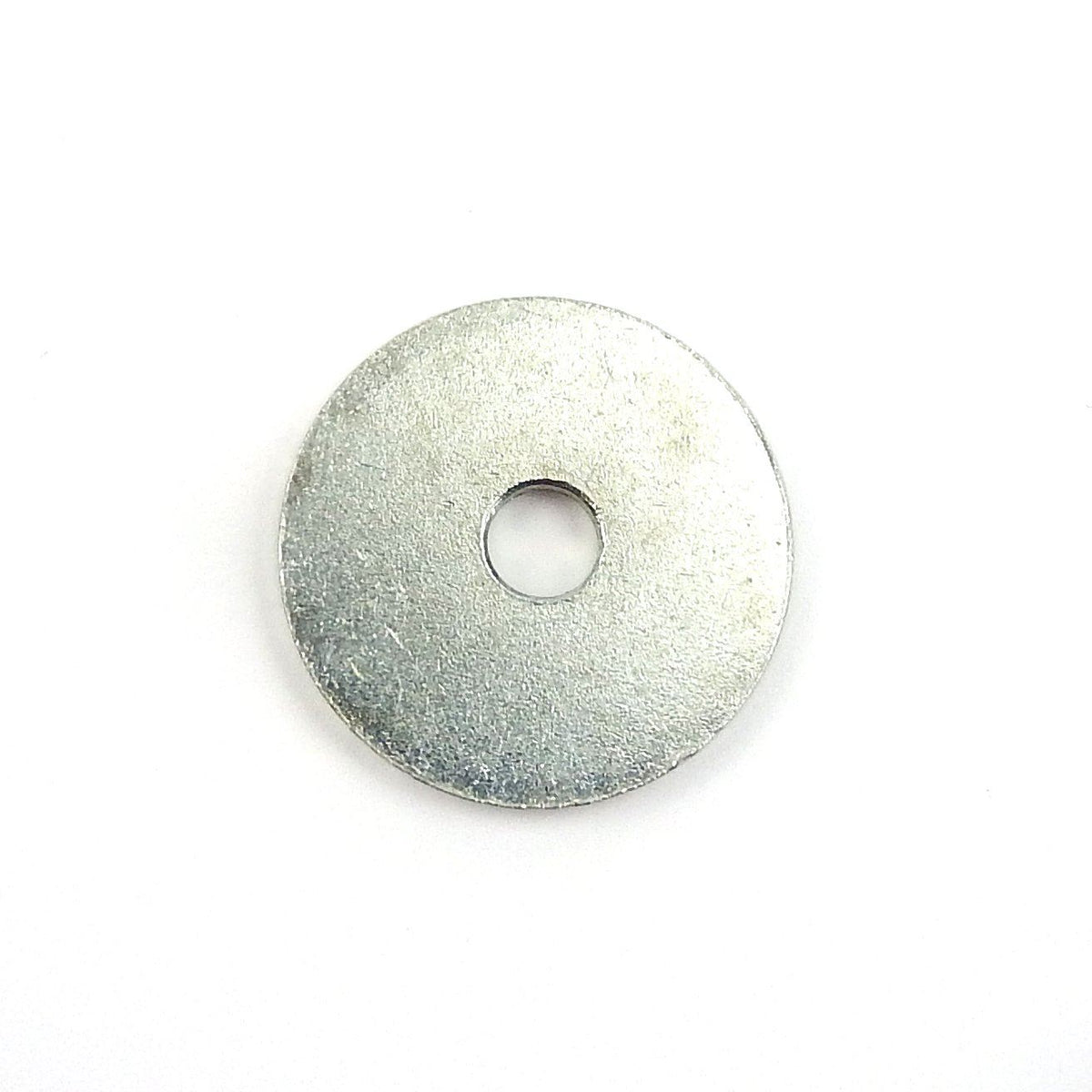
Lambretta - Engine Case Rubber Bump Stop - Metal Plate
Product code:
BD06242
In stock
Sale price£1.50
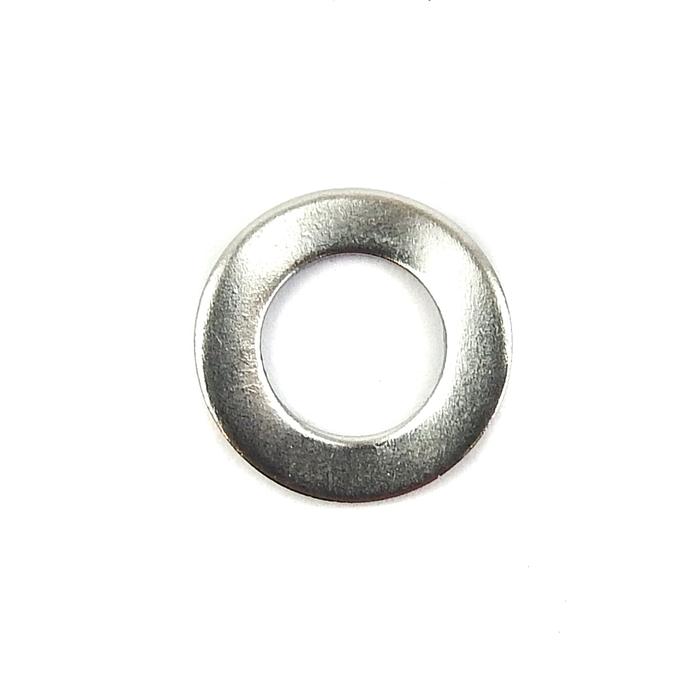
Lambretta Chain Case Side - Wavy Washer M6 in Stainless
Product code:
BD00180
In stock
Sale price£0.20
Sold out
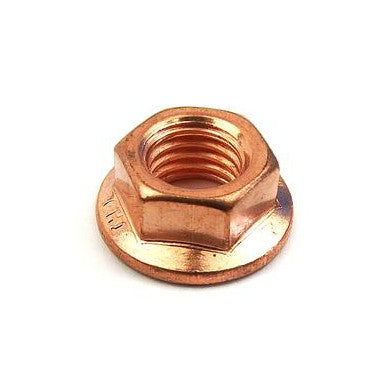
Fastener - Nut - Flange Nut - M7 - Exhaust Nut Copperized
Product code:
BD09852
Out Of Stock
Sale price£0.31
Save £0.75
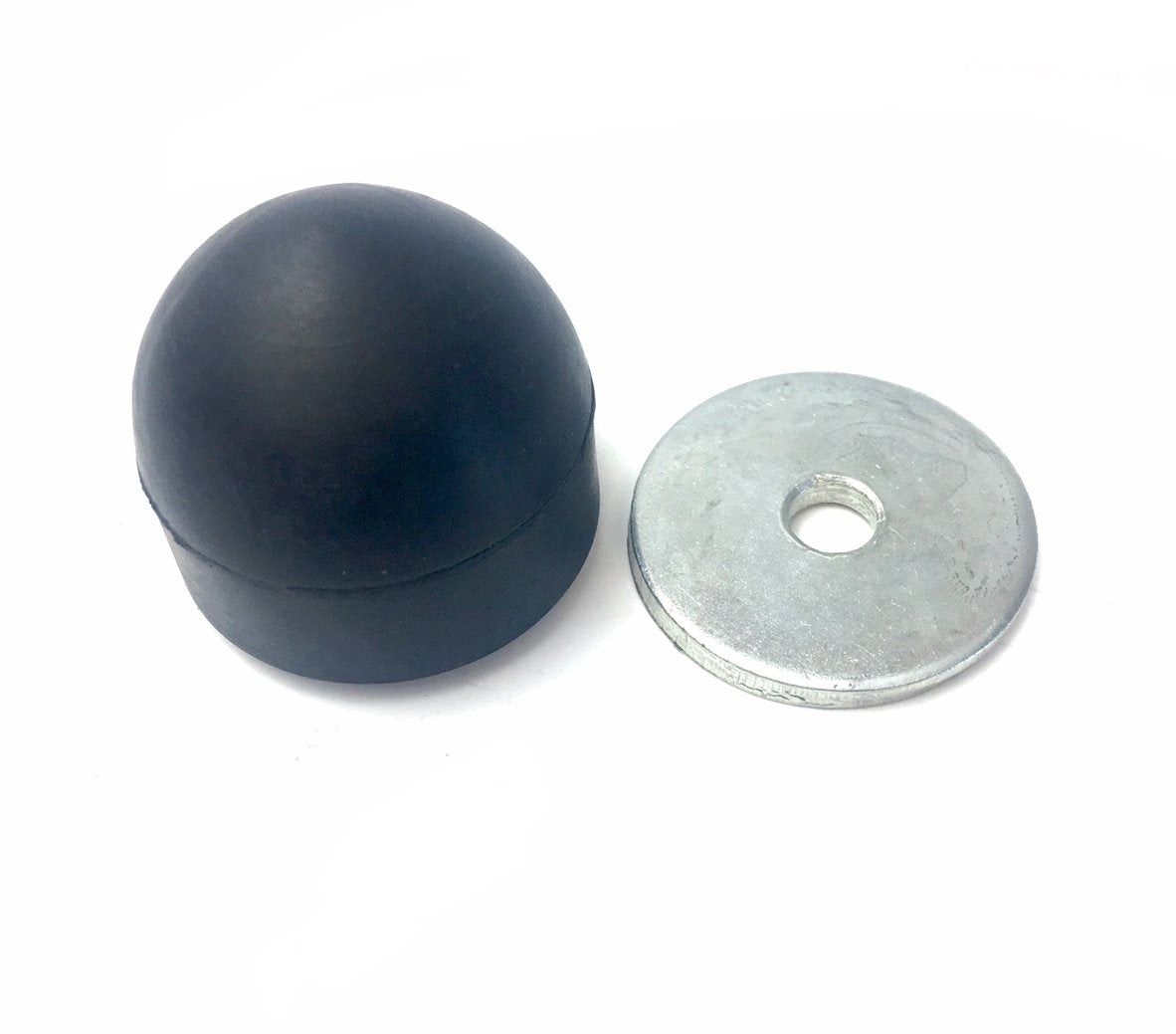
Lambretta Series 1-3 LI GP SX TV Engine Case Rubber Bump Stop & Metal Plate - Black
Product code:
BD09933
In stock
Sale price£4.00
Regular price£4.75
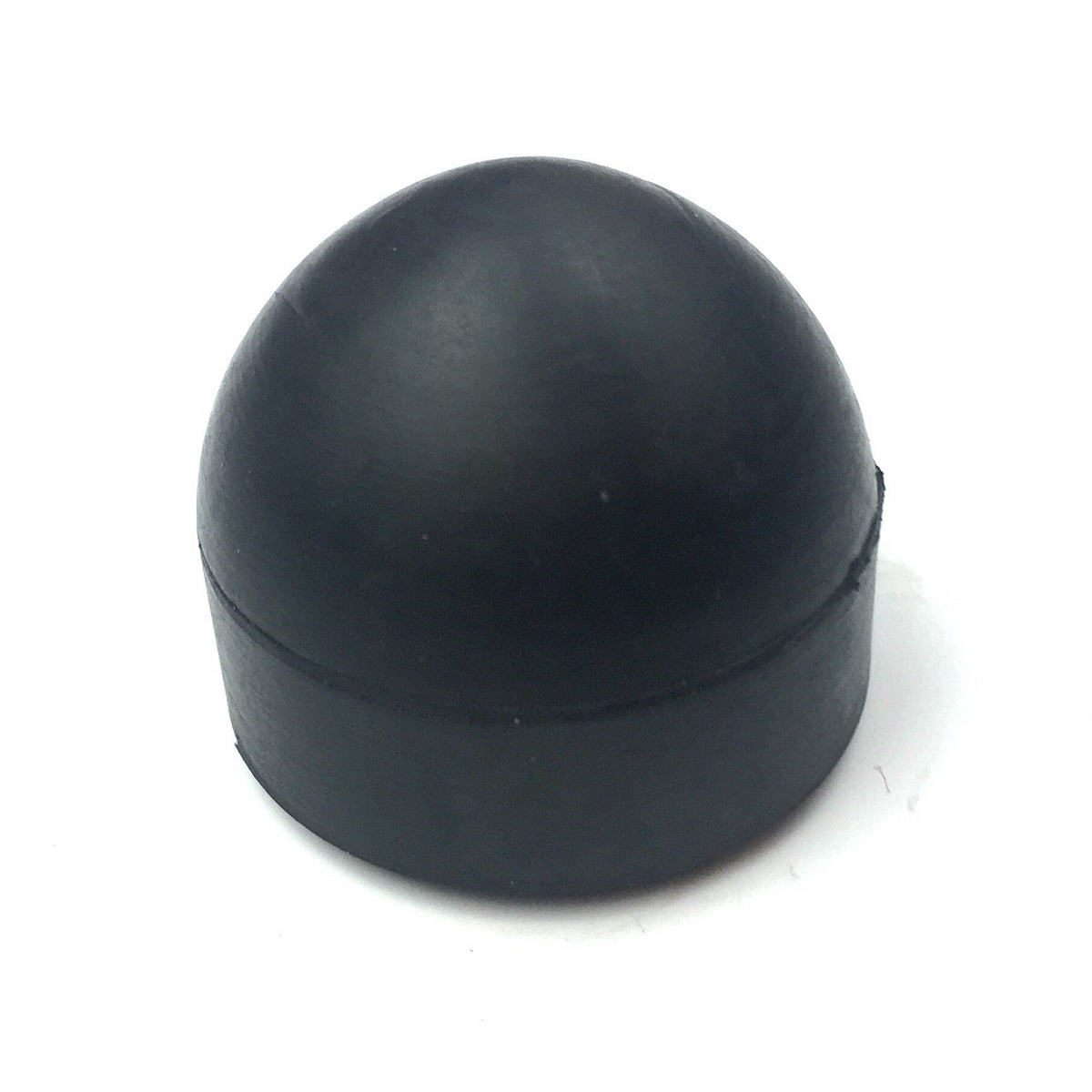
Lambretta Series 1-3 LI GP SX TV Engine Case Rubber Bump Stop - Black
Product code:
BD00174
In stock
Sale price£2.75
Sold out
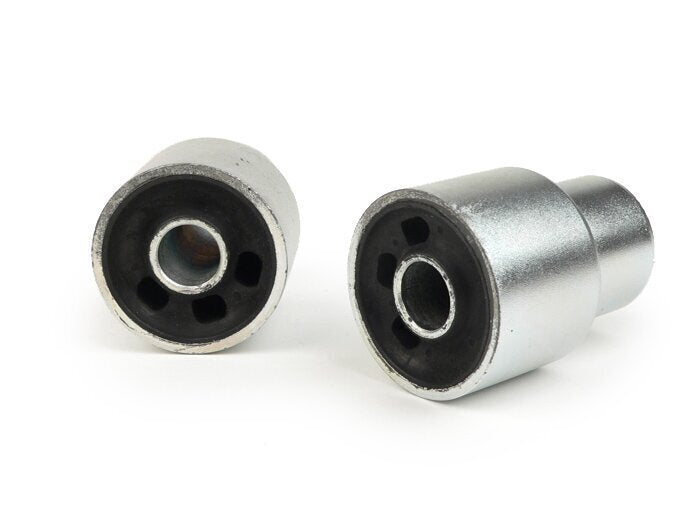
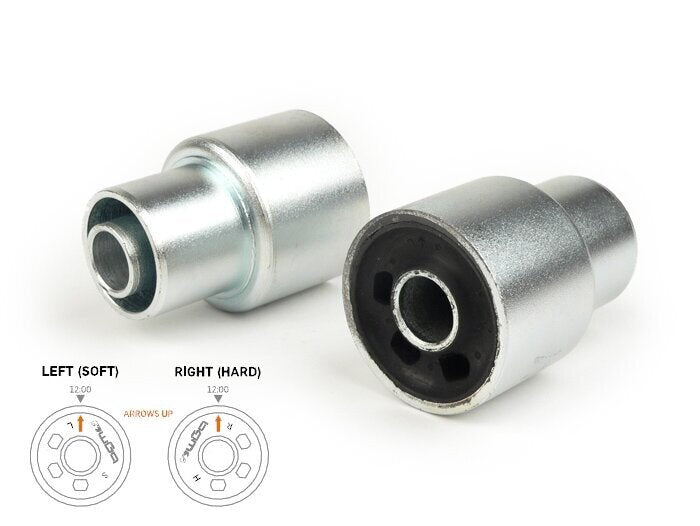
Lambretta Series 2 3 GP DL LiS SX TV Engine Mounts Silent Block BGM PRO
Product code:
BD14878
Out Of Stock
Sale price£47.99
Sold out
Sold out
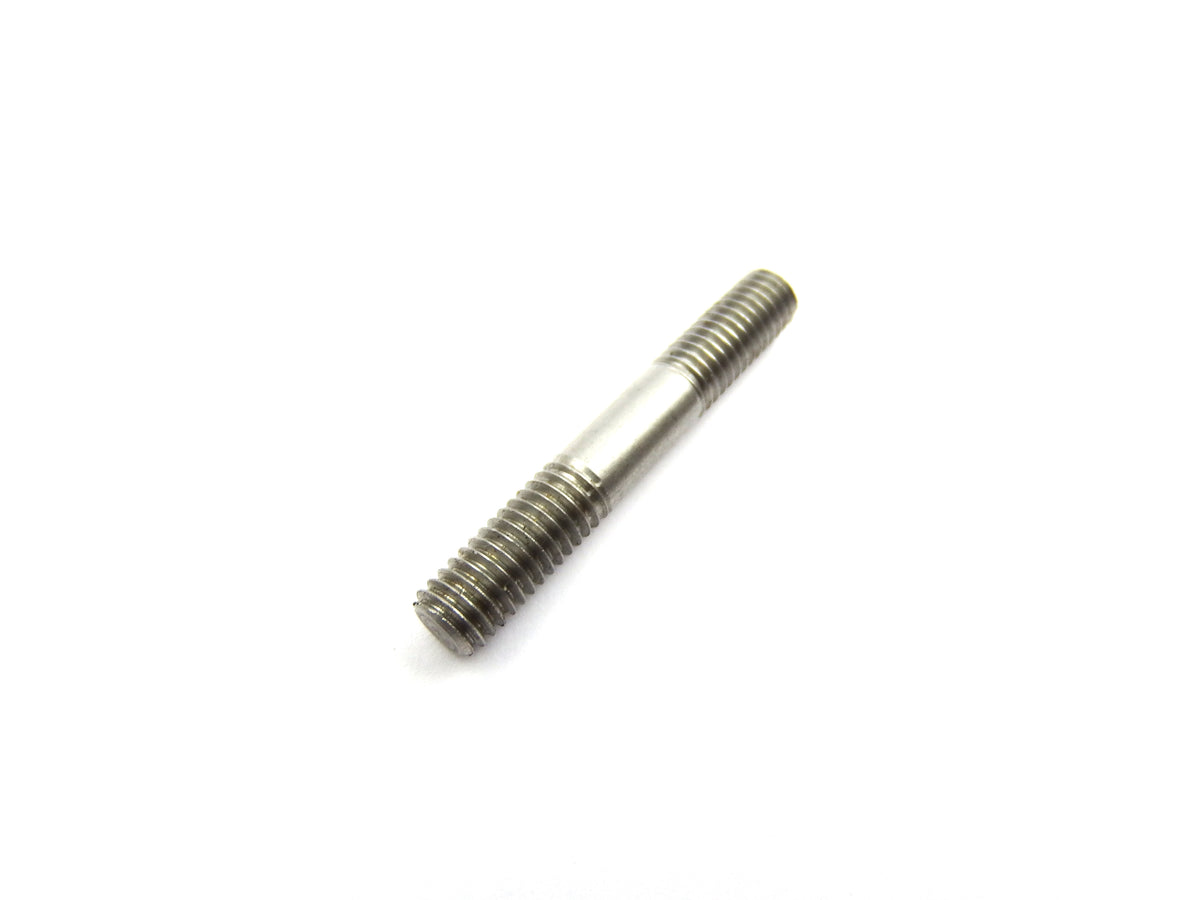
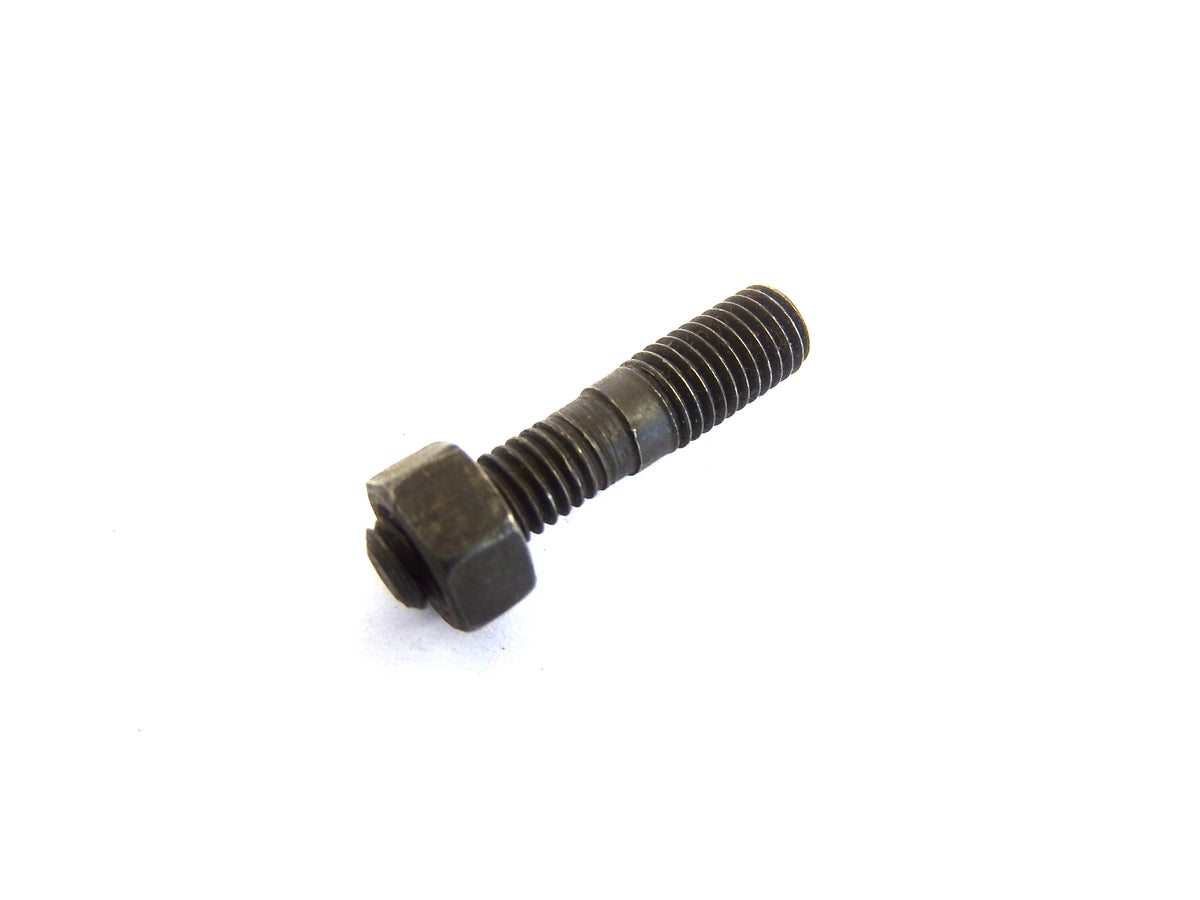
Lambretta Chain Case Side Stud M6x41mm XLong in Stainless
Product code:
BD04137
Out Of Stock
Sale price£1.25
Sold out
Sold out
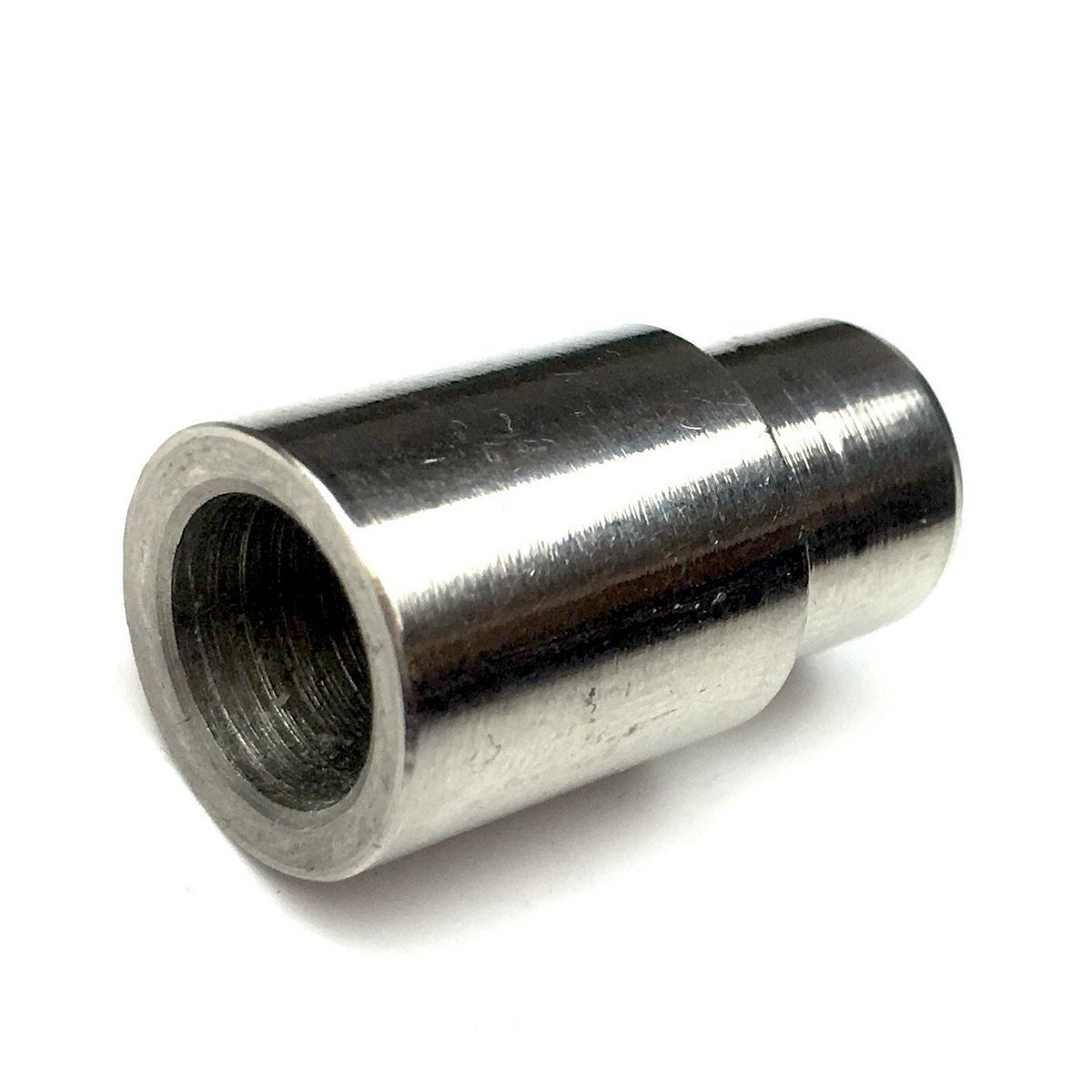
Lambretta - Cable - Rear Brake Cable Top Hat - Extended - S/S
Product code:
BD09149
Out Of Stock
Sale price£5.99
Sold out
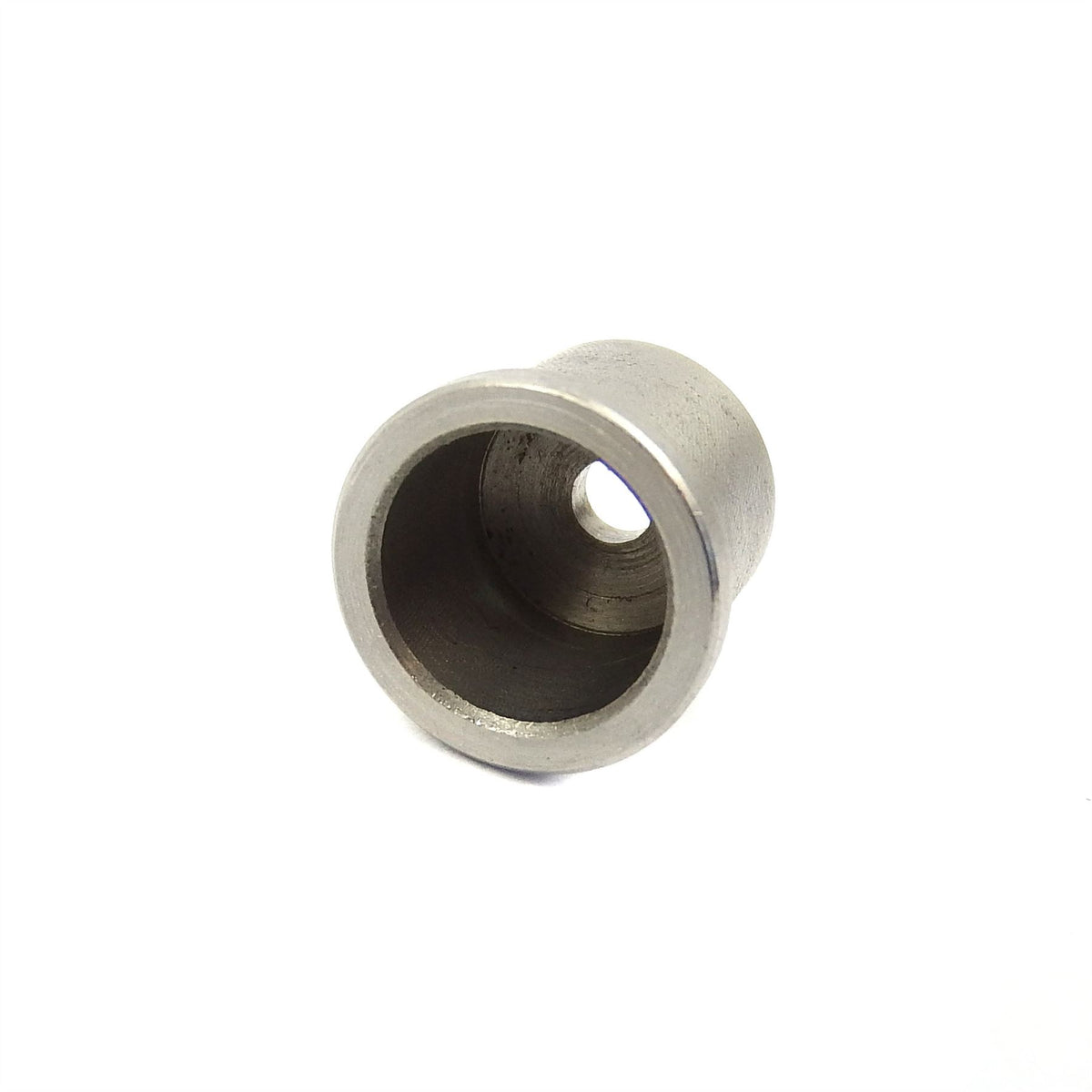
Lambretta - Cable - Rear Brake Cable Top Hat - Polished Stainless
Product code:
BD07199
Out Of Stock
Sale price£3.00